Roof on, cladding up, doors hung, and the last look before the plasterer arrives.
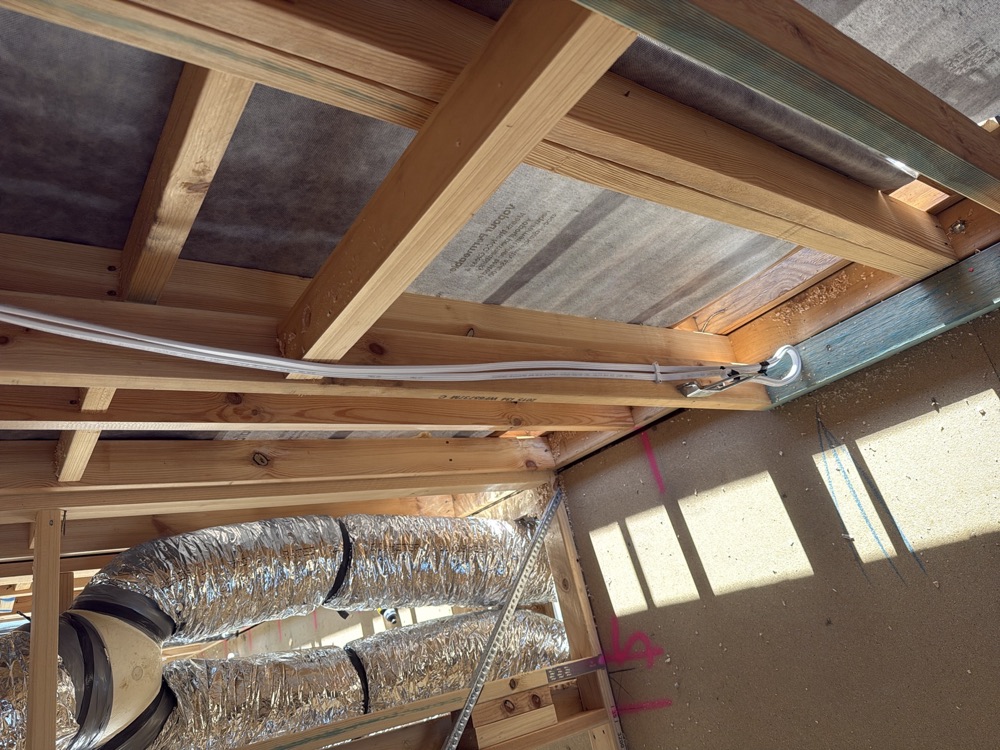
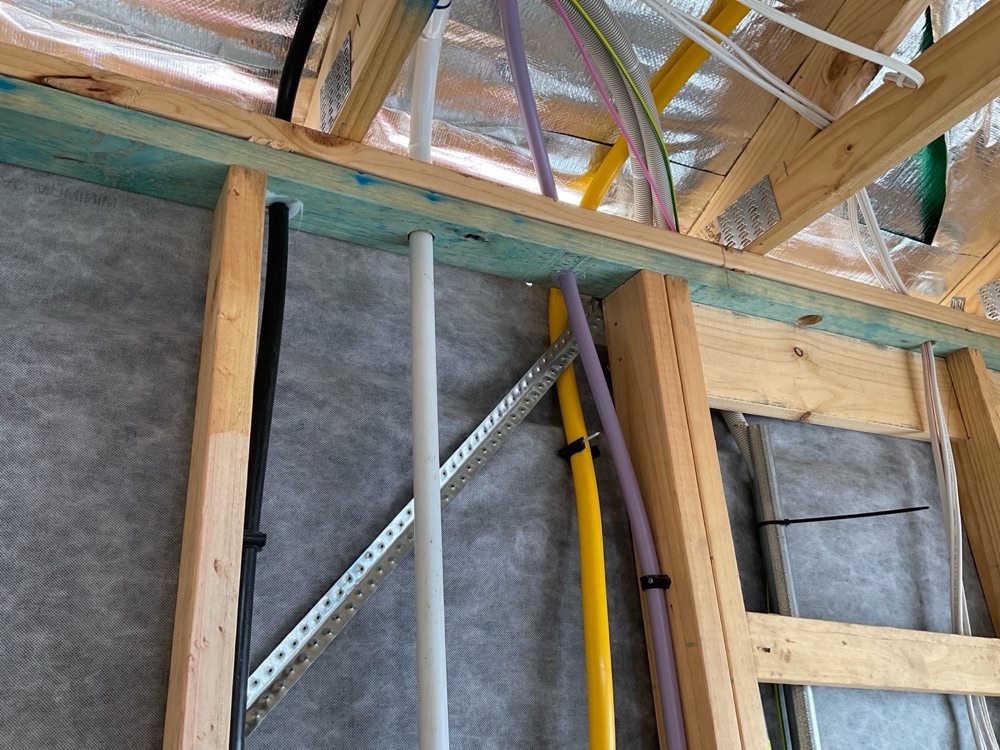
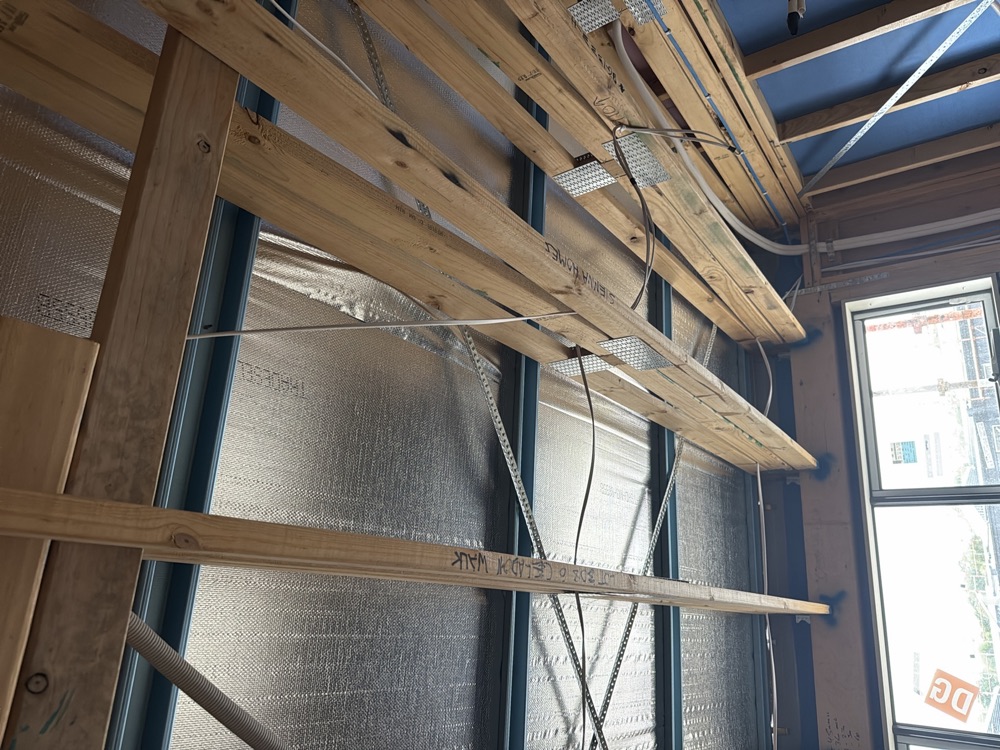
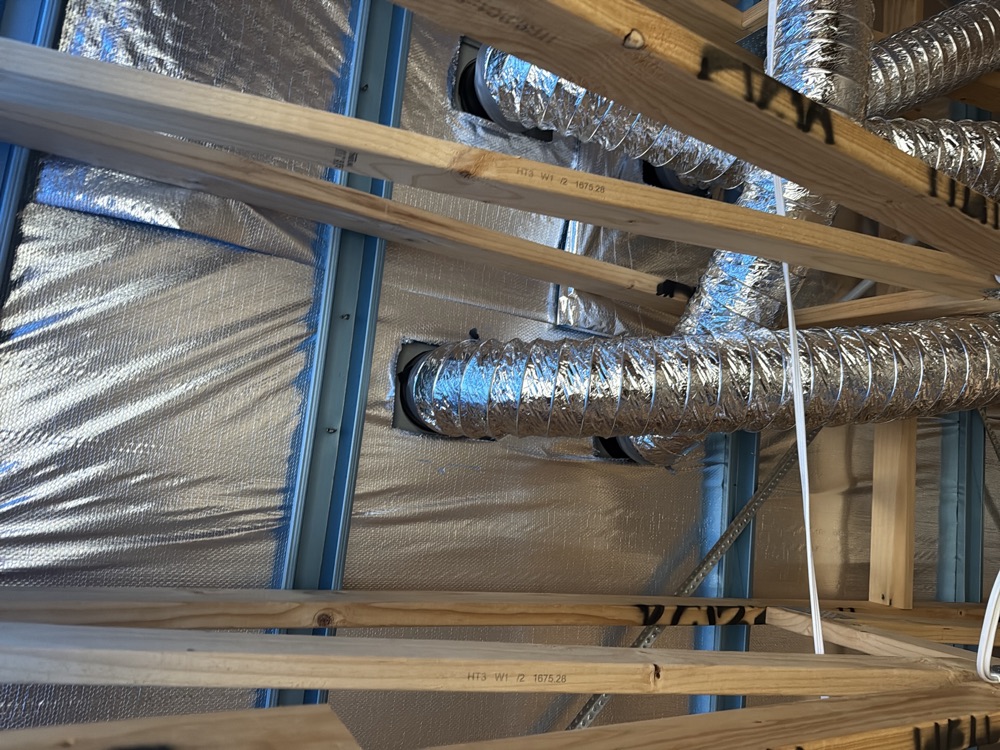
Lock-up is the services stage. The rough in is done and the walls are still open, so this is where cables run outside the line of the framing get found, and where gas pipes hard against structural metal get found. It is also the last chance at the sarking: laps installed against the fall of the roof and penetrations left unsealed are both common here, and both stop being visible once the ceiling goes in. We also reassess the frame list from the previous stage and record item by item what was actually rectified.
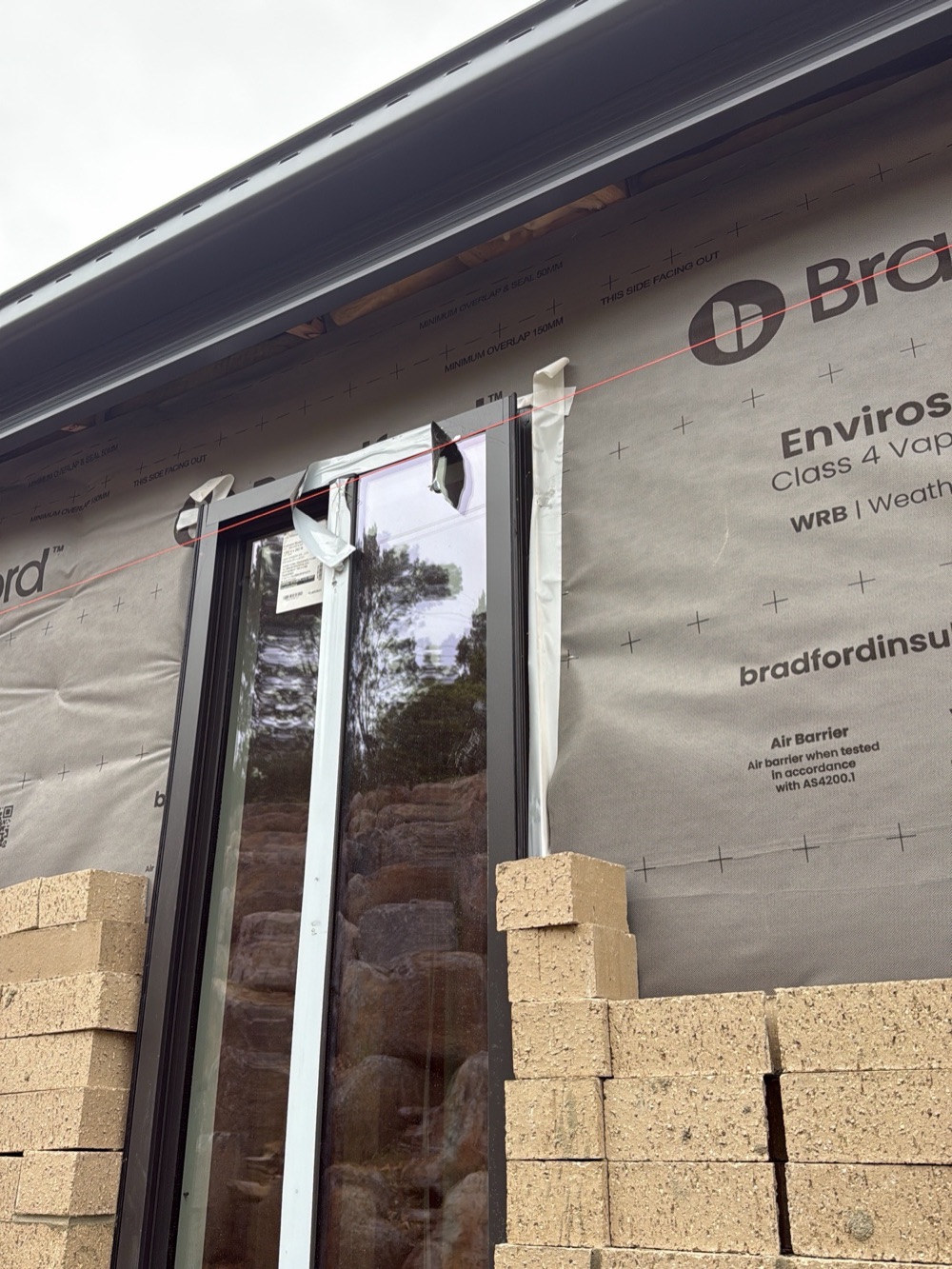
Annotated findings from Lock-up (pre-plaster) inspections on Pakenham East builds. Client addresses withheld.
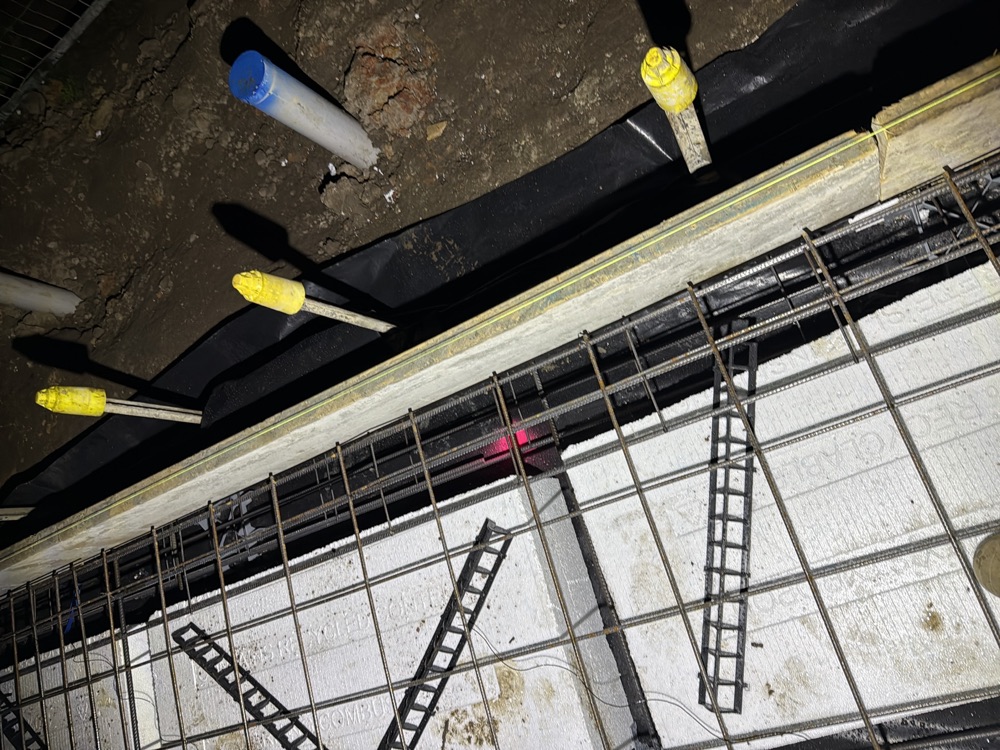 1Bored piersAfter boring and cage placement, before any concrete goes in
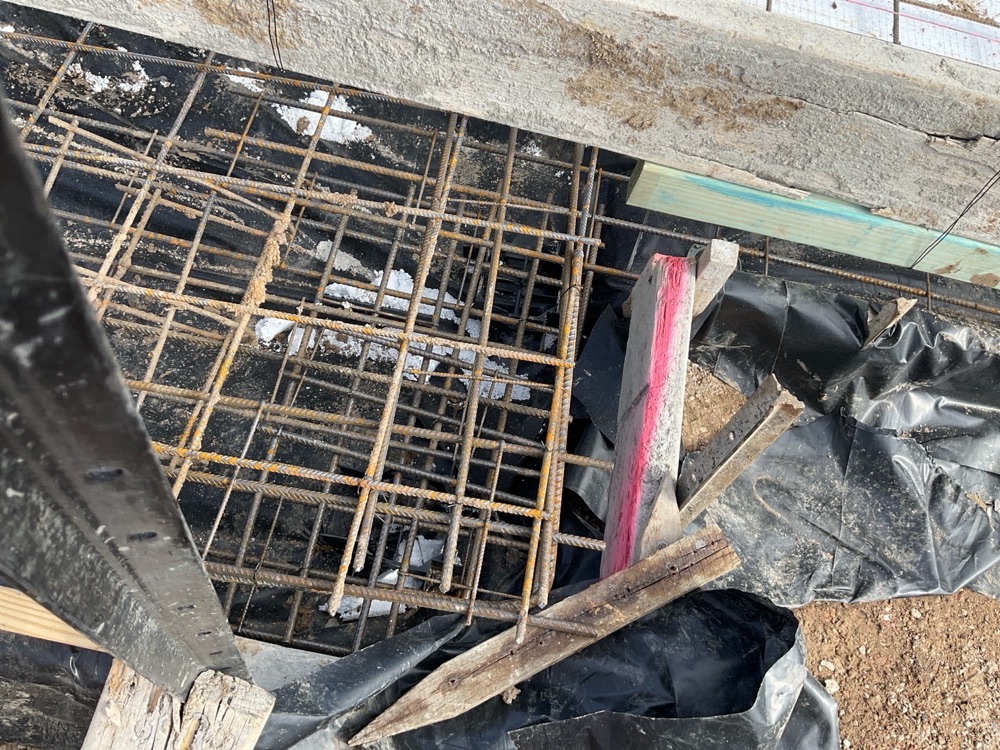 2Slab pre-pourThe day before the pour, steel and formwork complete and open to view
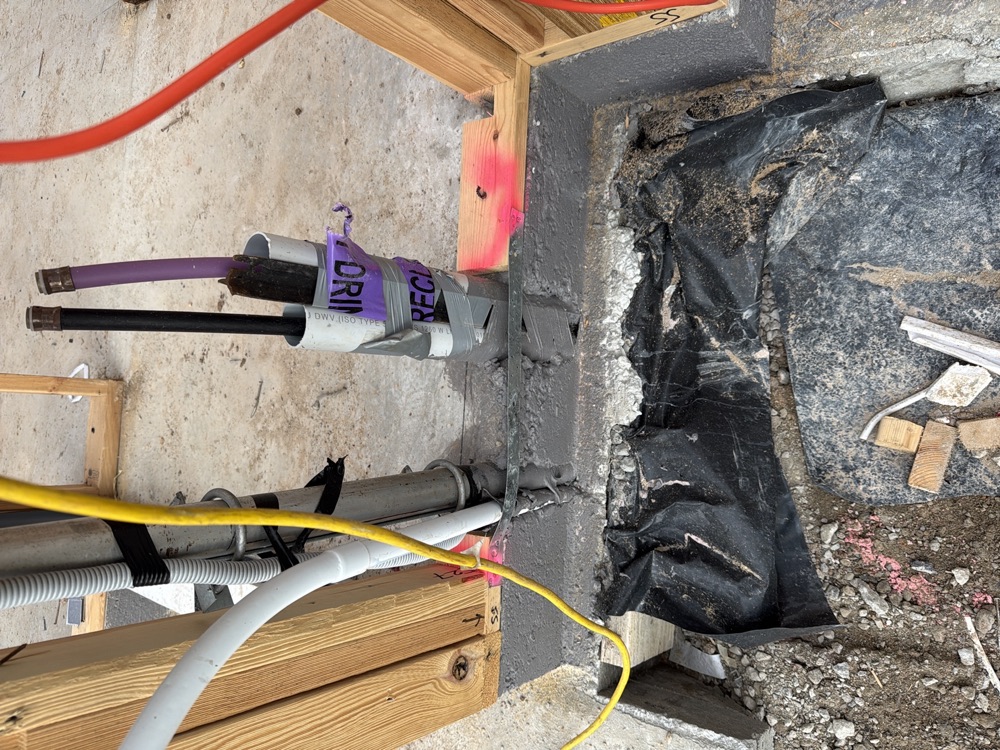 3FrameOnce the frame and trusses are up and the roof is on, before sarking and lining
 5FixingAfter mouldings, doors and joinery, before the painter
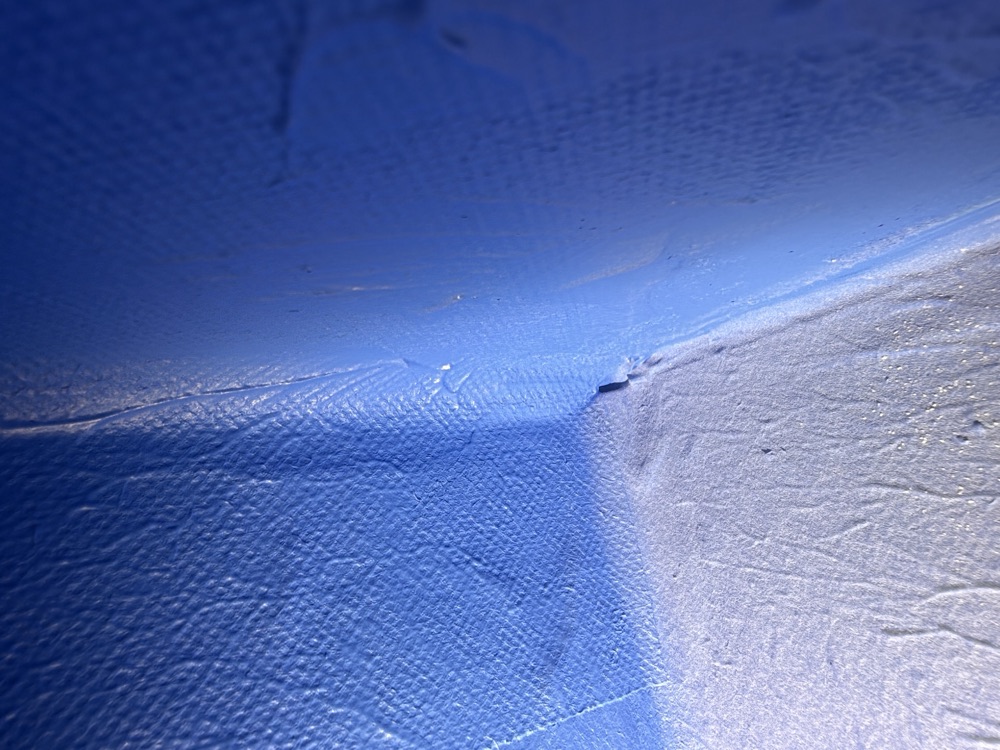 6WaterproofingAfter the membrane is applied and before any tile is laid over it
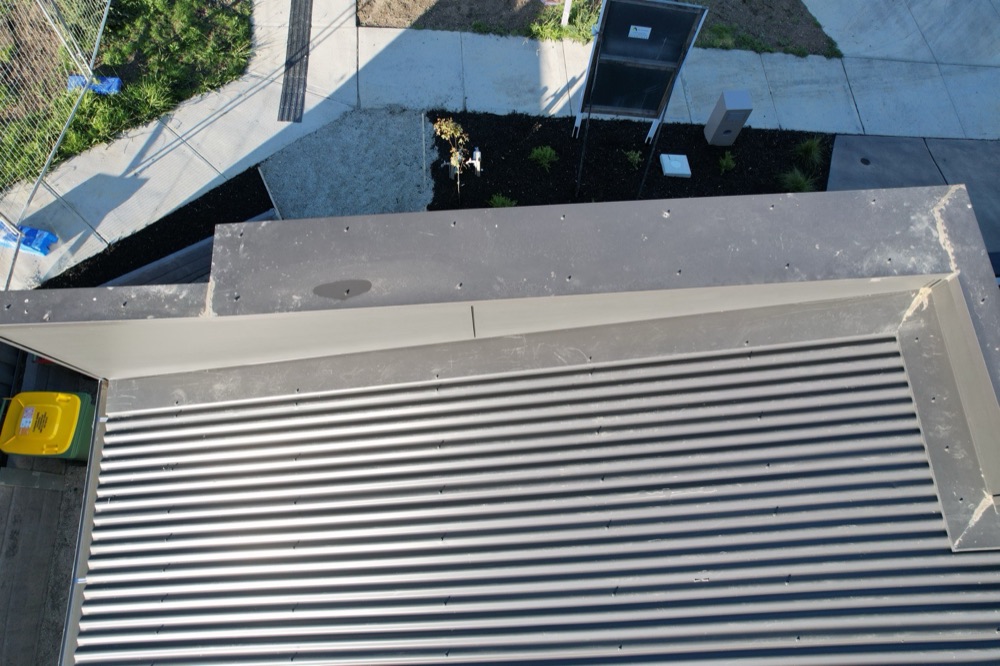 7Pre-handover (PCI)Two to three weeks before your handover date
Instant online pricing, or talk to the booking team on 1300 471 805.
Sarking works by shedding any water that gets past the roof covering down and out. Laps running against the fall let that water run into the joint instead of over it, so the layer that was meant to be a safety net becomes a funnel.
Contact and abrasion over time can damage the insulation, and where gas pipes are involved a clearance is required for good reason. Both are trivially fixed while the wall is open and effectively unfixable afterwards.
Yes, every one of them. The report carries a frame reassessment section marking each earlier item as fixed, partly fixed or still outstanding, which is the record you want if it ever becomes a dispute.
Around two hours, plus the report. Double storey homes and those with complex rooflines take longer because more of the sarking and flashing detail has to be reached.
Yes, the two names describe the same stage. What defines it is that the services are in and the linings are not, which is a window of a few days on most of these builds.
Then we inspect what remains open and say clearly in the report what could not be seen. A partial inspection honestly described is worth more than a full one implied.