The structure while you can still see all of it, before sarking and plaster close it in.
Frame is the stage that produces the longest lists on these estates, and the items repeat with a consistency that tells you they are programme driven rather than accidental. Bottom plates fixed at wider centres than the tie down schedule allows. Metal strap noggings with fixings missing at one end. Plywood bracing nailed short of its required pattern. Truss grips left in the box. Individually each is a small thing; together they are the difference between a frame that behaves as designed under wind load and one that has never been tested.
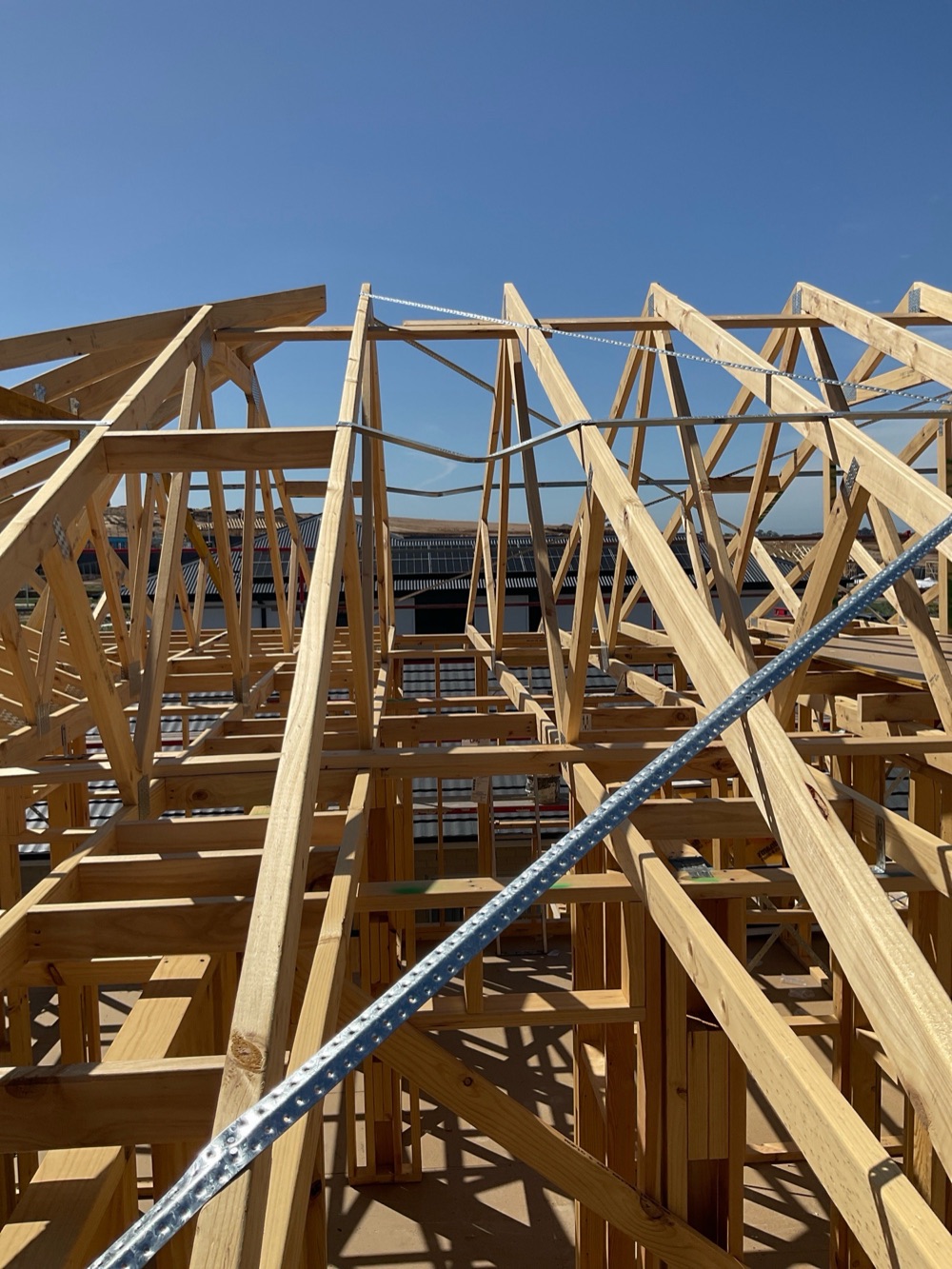
Annotated findings from Frame inspections on Pakenham East builds. Client addresses withheld.
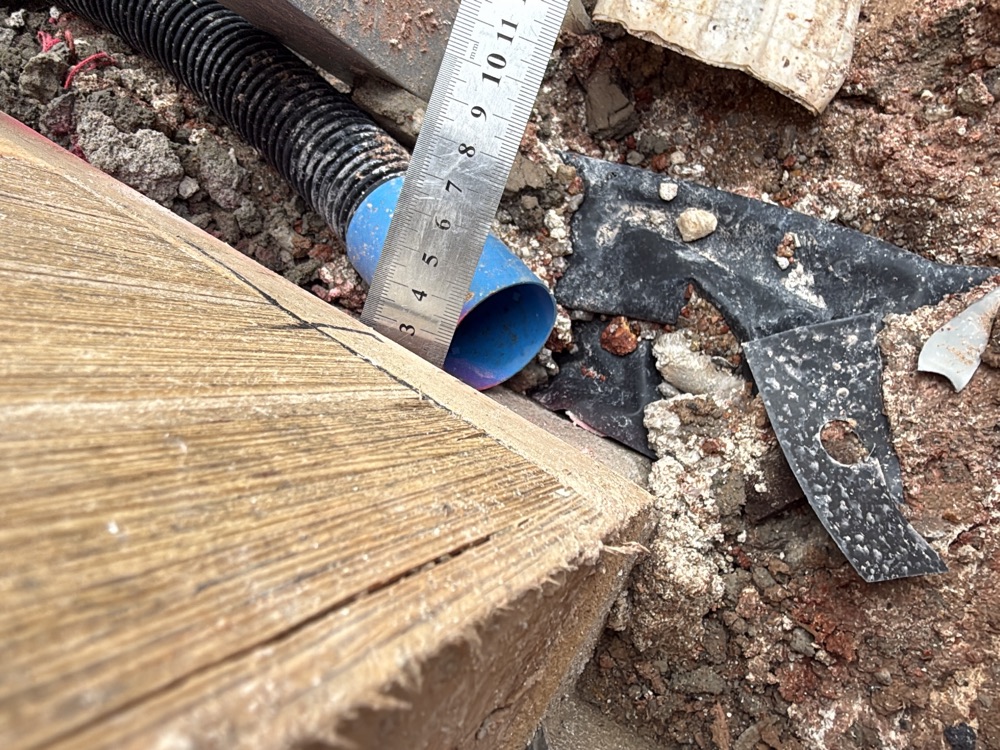
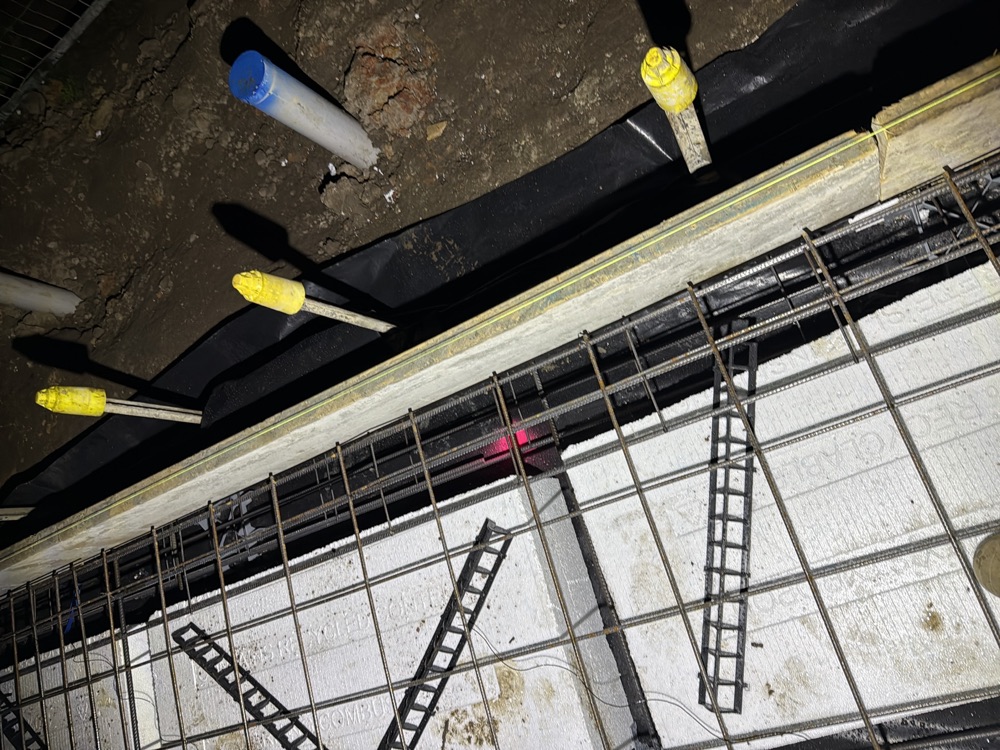 1Bored piersAfter boring and cage placement, before any concrete goes in
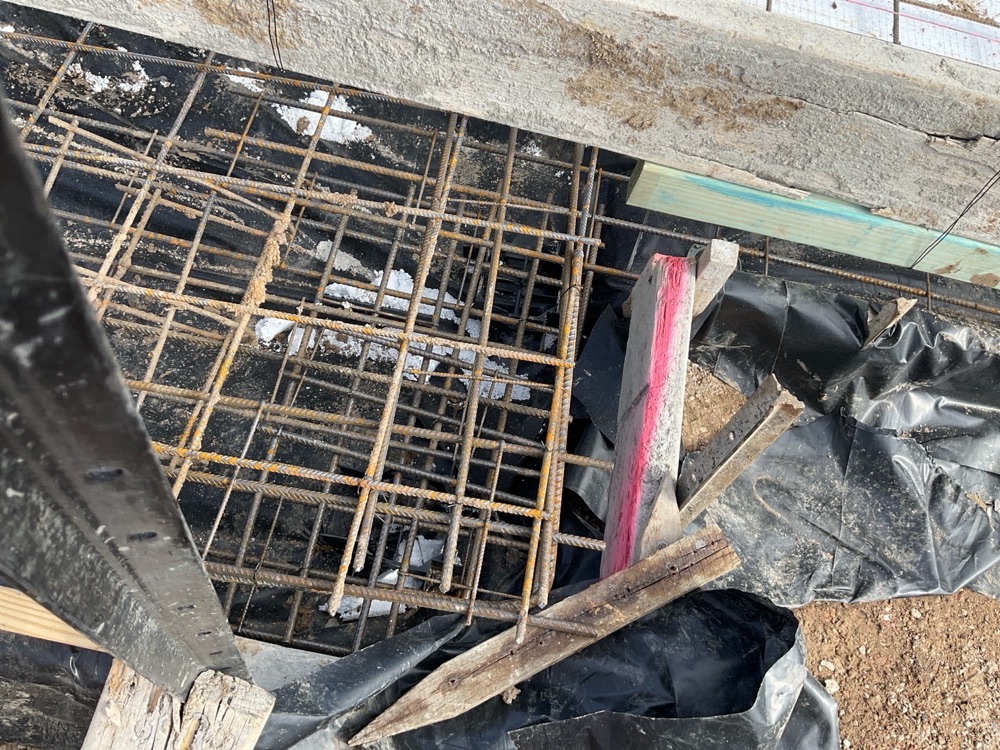 2Slab pre-pourThe day before the pour, steel and formwork complete and open to view
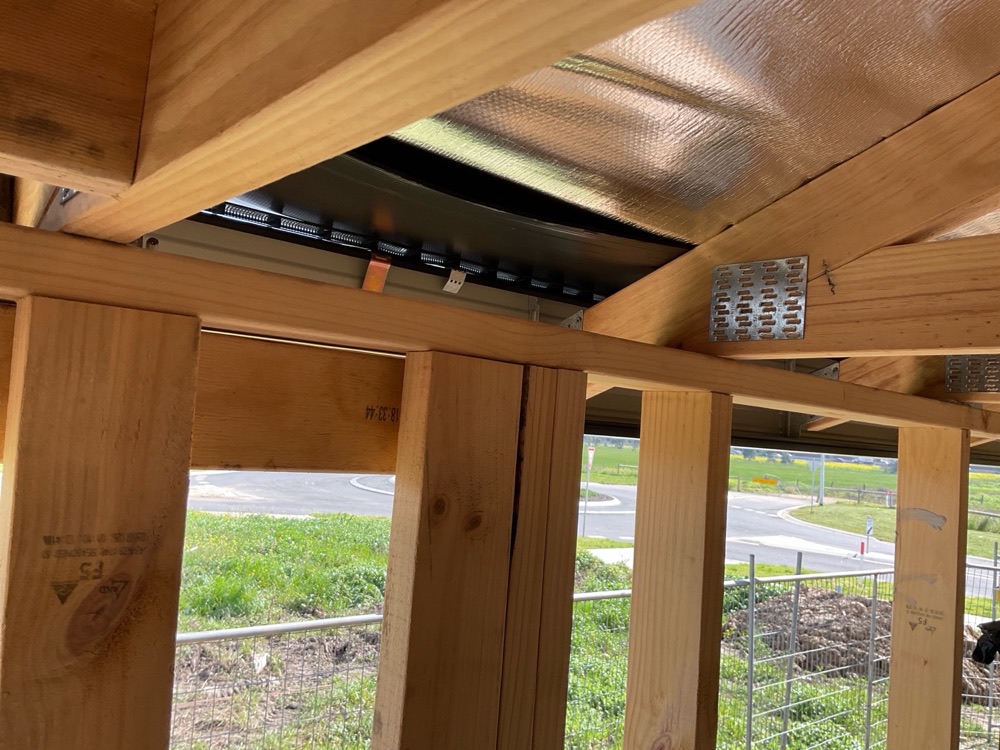
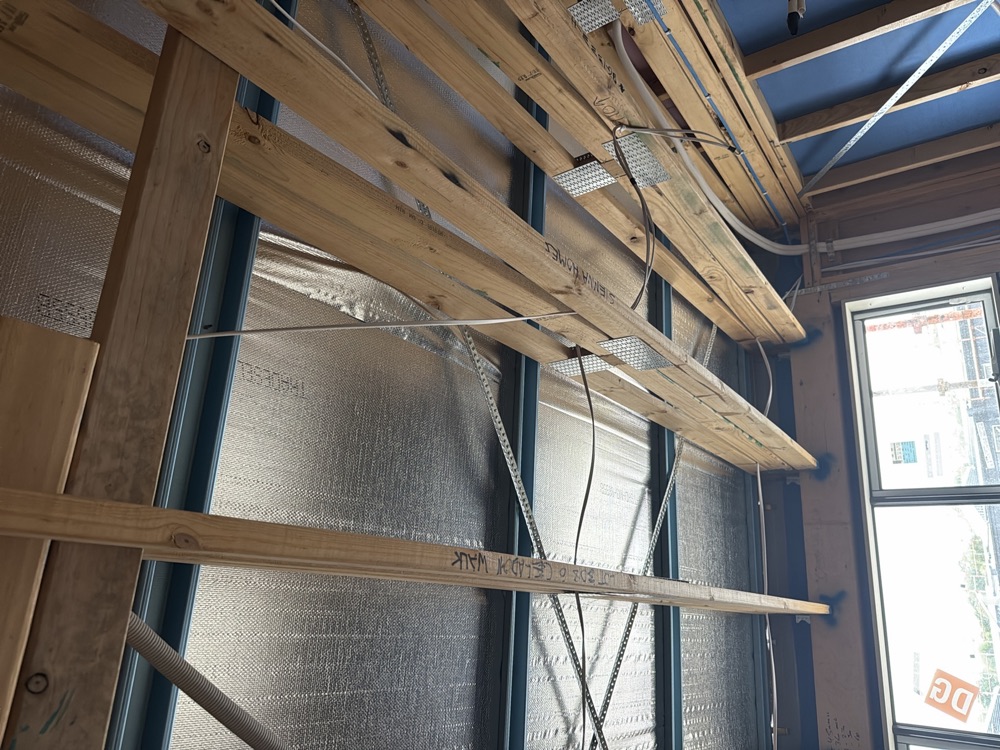 4Lock-up (pre-plaster)After roof, cladding and external doors are on, before the plasterer starts
 5FixingAfter mouldings, doors and joinery, before the painter
 6WaterproofingAfter the membrane is applied and before any tile is laid over it
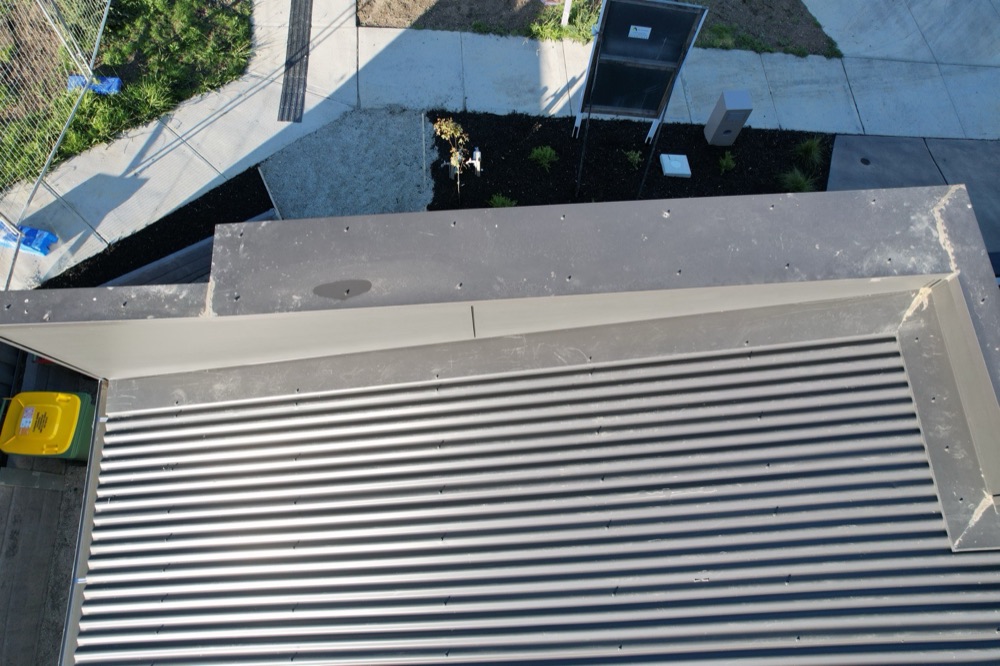 7Pre-handover (PCI)Two to three weeks before your handover date
Instant online pricing, or talk to the booking team on 1300 471 805.
It is the part of your engineering that says how the roof is held to the walls and the walls to the slab, fixing by fixing, against the wind classification for your lot. A frame inspection reads that schedule and checks the building against it.
They are the connection between the whole timber structure and the concrete it sits on. Wider spacing than specified reduces the uplift the wall can resist, and once the plaster is on nobody will ever count them again.
Two to three hours on a single storey, longer on a double storey where the upper frame and its tie downs have to be reached and photographed.
In our experience most of it, most of the time, because frame items are cheap to correct at this stage and expensive to argue about later. The report gives the supervisor a numbered list with locations and photographs.
If the list ran long, yes. We check the rectifications at lock-up as a matter of course, and the reassessment is recorded so you have written confirmation of what was actually done.
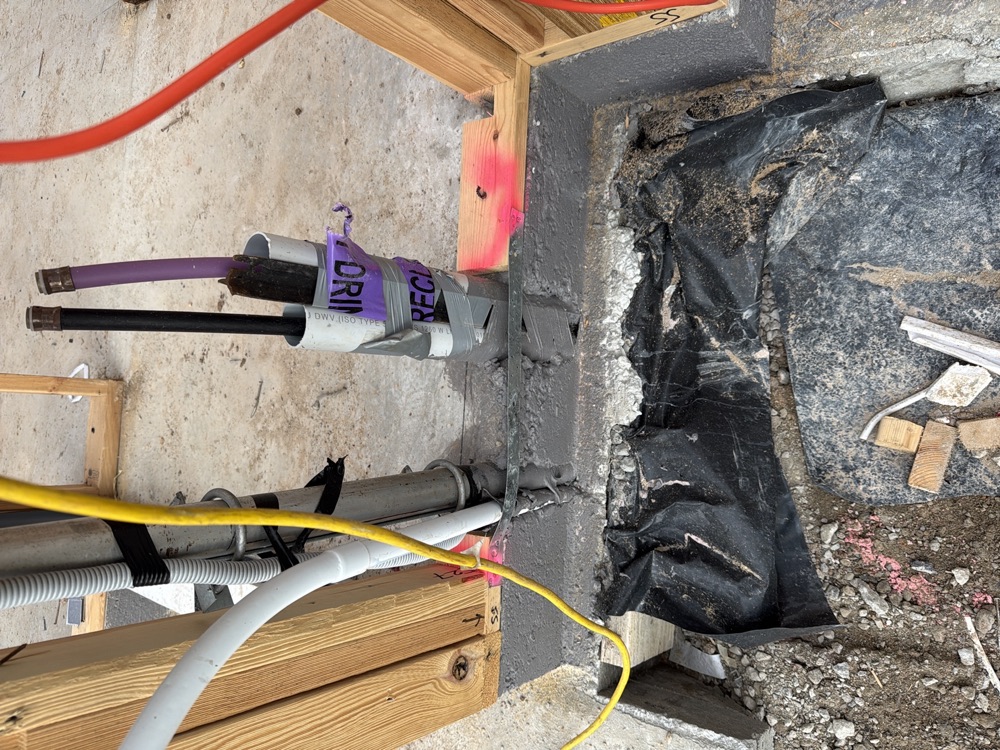
We record what is visible and clearly wrong, such as a waste point in the wrong location or a cable run outside the framing, but the detailed services check belongs at lock-up when the rough in is complete.